As artificial intelligence creates a new generation of wealth, the next question is not simply how these individuals will invest their money, but where and how they will choose to live.
This morning, The Wall Street Journal reported on the impact Anthropic’s initial public offering is having on San Francisco’s luxury housing market ( read the article ). Employees who spent years developing one of the world’s most consequential technologies are suddenly finding themselves with the financial ability to make decisions that were previously beyond their reach.
For many, the immediate priority will be upgrading their primary residence in the Bay Area. But I am interested in what happens next.
Once these individuals have addressed their immediate housing needs, diversified their holdings and begun to understand the freedom their wealth affords them, where else will they choose to establish a meaningful presence?
Having spent more than three decades in Jackson Hole, Wyoming, I believe places like this valley warrant particular attention as this next generation of wealth begins to consider its options.
When Where You Create Wealth Is No Longer Where You Have to Live
Throughout American economic history, the creation of wealth has influenced the geography of where people live.
Industrial wealth established summer communities along the New England coast. Financial wealth helped transform the Hamptons. Generations of entrepreneurs and business leaders discovered the American West through places like Aspen, Sun Valley and Jackson Hole.
The artificial intelligence industry is creating another generation of financially mobile individuals, potentially on a remarkable scale and within a compressed period of time.
What may distinguish this generation is how early in their lives and careers some are achieving financial independence. Many will remain professionally engaged, continuing to build companies, invest in new technologies and pursue intellectually demanding work. Others may find themselves with the opportunity to reconsider their relationship with work altogether.
Both groups will face an interesting question.
When financial success gives you greater freedom over where you spend your time, how do you exercise that freedom?
Where you create your wealth and where you choose to experience the benefits of that wealth need not be the same place.
From Concentrated Wealth to Tangible Assets
One of the characteristics of technology wealth is how concentrated it can be. An individual’s financial circumstances may be tied disproportionately to the performance of a single company whose valuation can fluctuate considerably.
An IPO represents an important milestone, but it does not necessarily translate into immediate liquidity. Employee stock ownership can be subject to vesting schedules, lock-up agreements, trading restrictions and significant tax obligations.
As those restrictions ease, many individuals will begin working with financial advisors to diversify their holdings. For some, acquiring real estate may become part of that broader strategy.
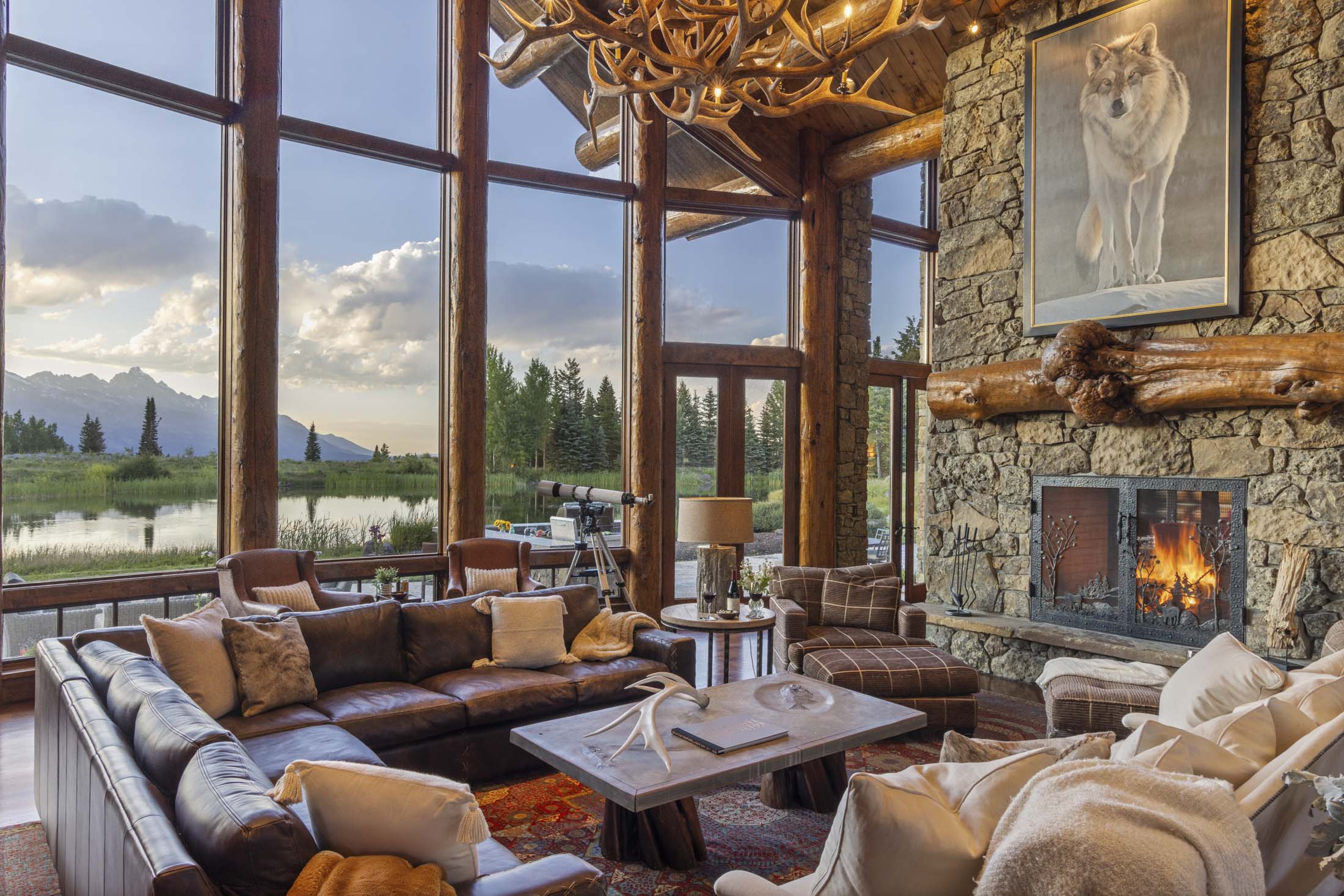
What makes exceptional real estate interesting is that it can serve two purposes simultaneously. It can represent ownership of a tangible asset while providing a quality of life that a financial portfolio alone cannot deliver.
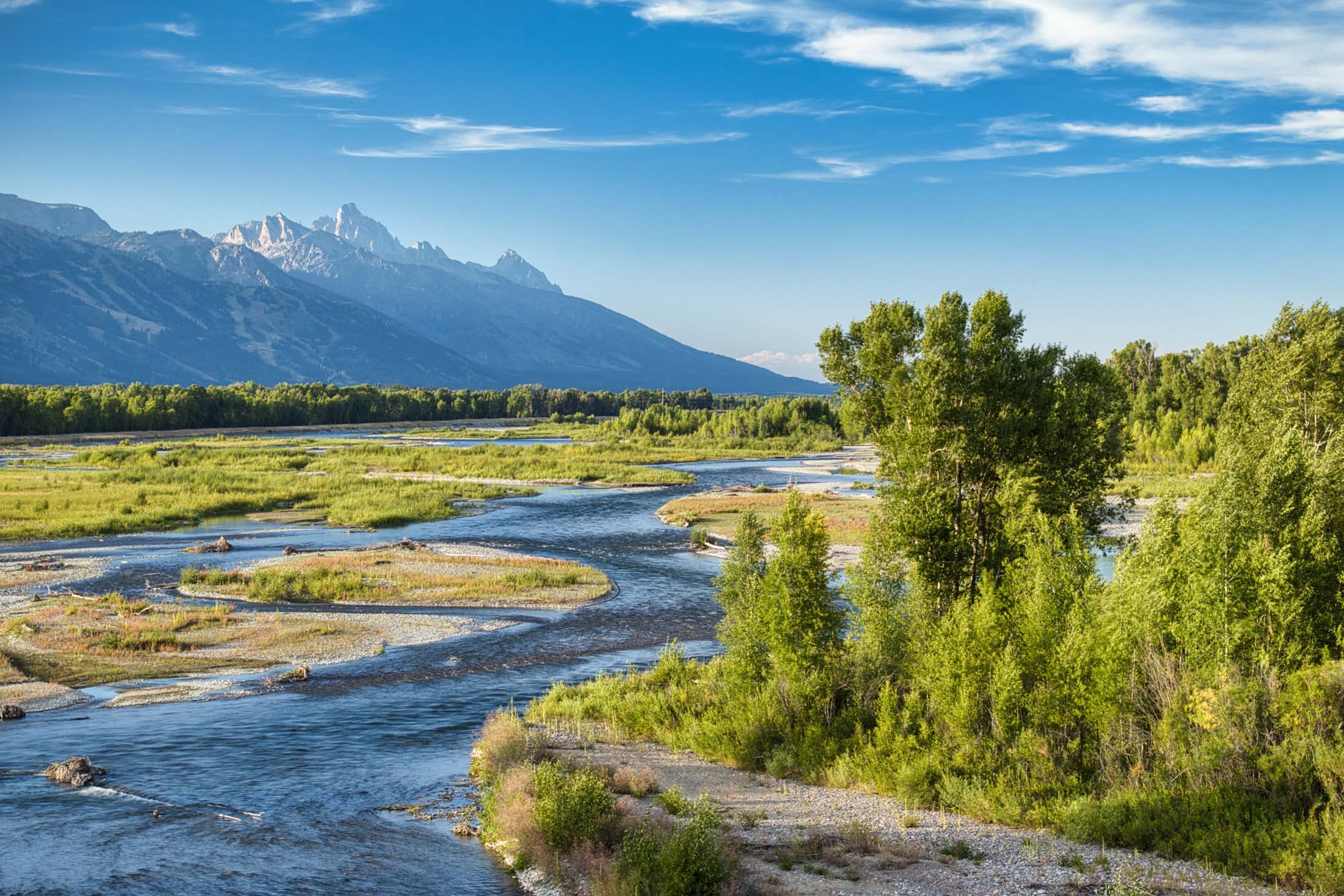
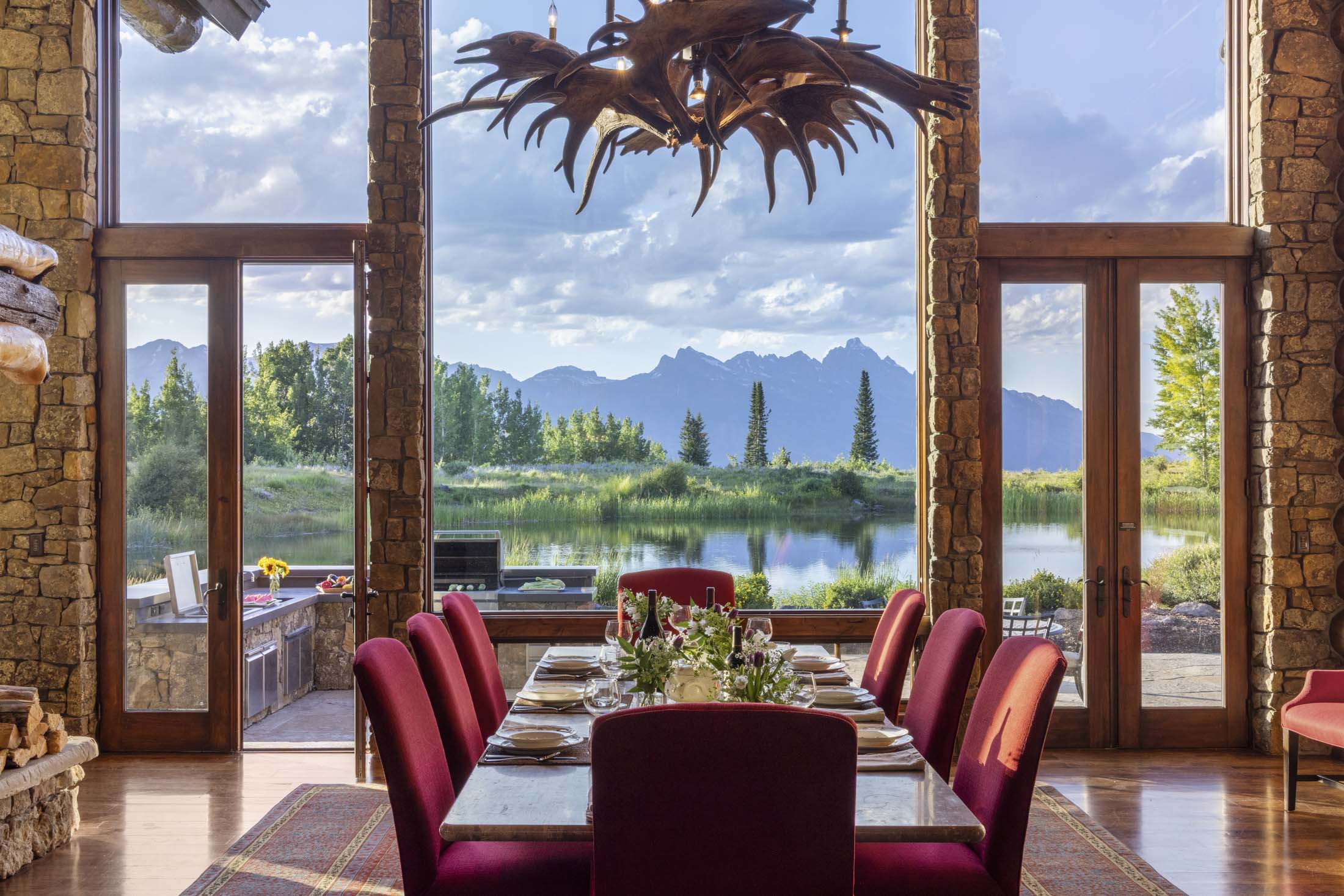
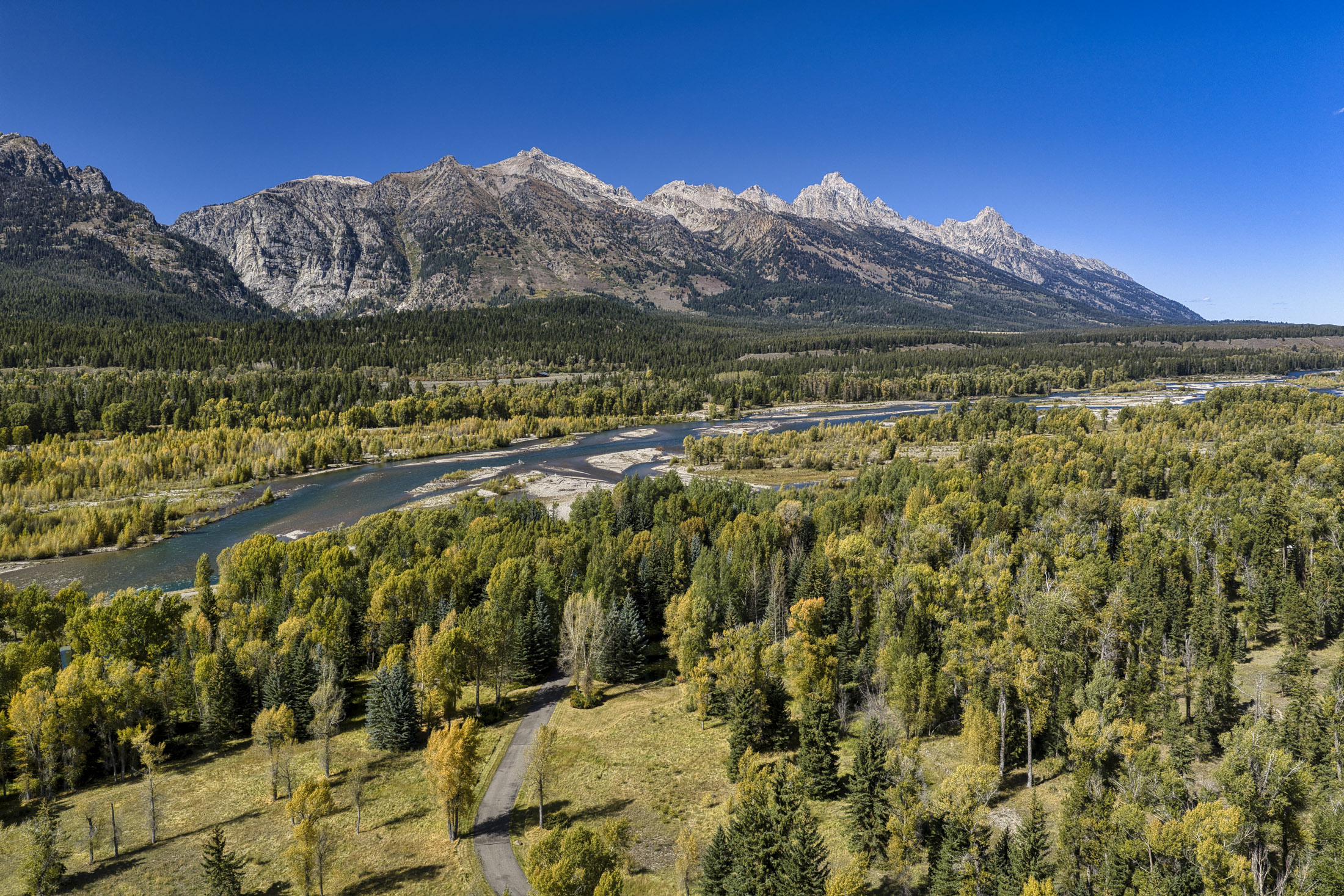
In Jackson Hole, the most distinctive properties derive much of their appeal from characteristics that exist independently of the residence itself. River frontage, mountain views, proximity to protected lands, privacy and access to extraordinary outdoor experiences are attributes that cannot simply be added to a property through additional investment.
The technology industry has created enormous value by understanding how to scale. Jackson Hole presents an entirely different economic proposition. Much of what makes it valuable cannot be scaled.

Comprised of 18 millions acres, the Greater Yellowstone Ecosystem (GYE) is one of the largest nearly intact temperate-zone ecosystems on Earth. Including some of our nation’s most cherished landscapes and diverse wildlife, including rare trumpeter swans, wolves, one of the last viable grizzly bear populations outside of Alaska, and the largest elk and free-roaming bison herds in North America. Providing a protective wild cloak are two national parks (Yellowstone & Grand Teton), six national forests, seven wilderness areas and three national wildlife refuges.
The Geography of Scarcity
As a student of geography, I have always been interested in how the physical characteristics of a place shape its economic and cultural identity.
Jackson Hole is a particularly compelling example.
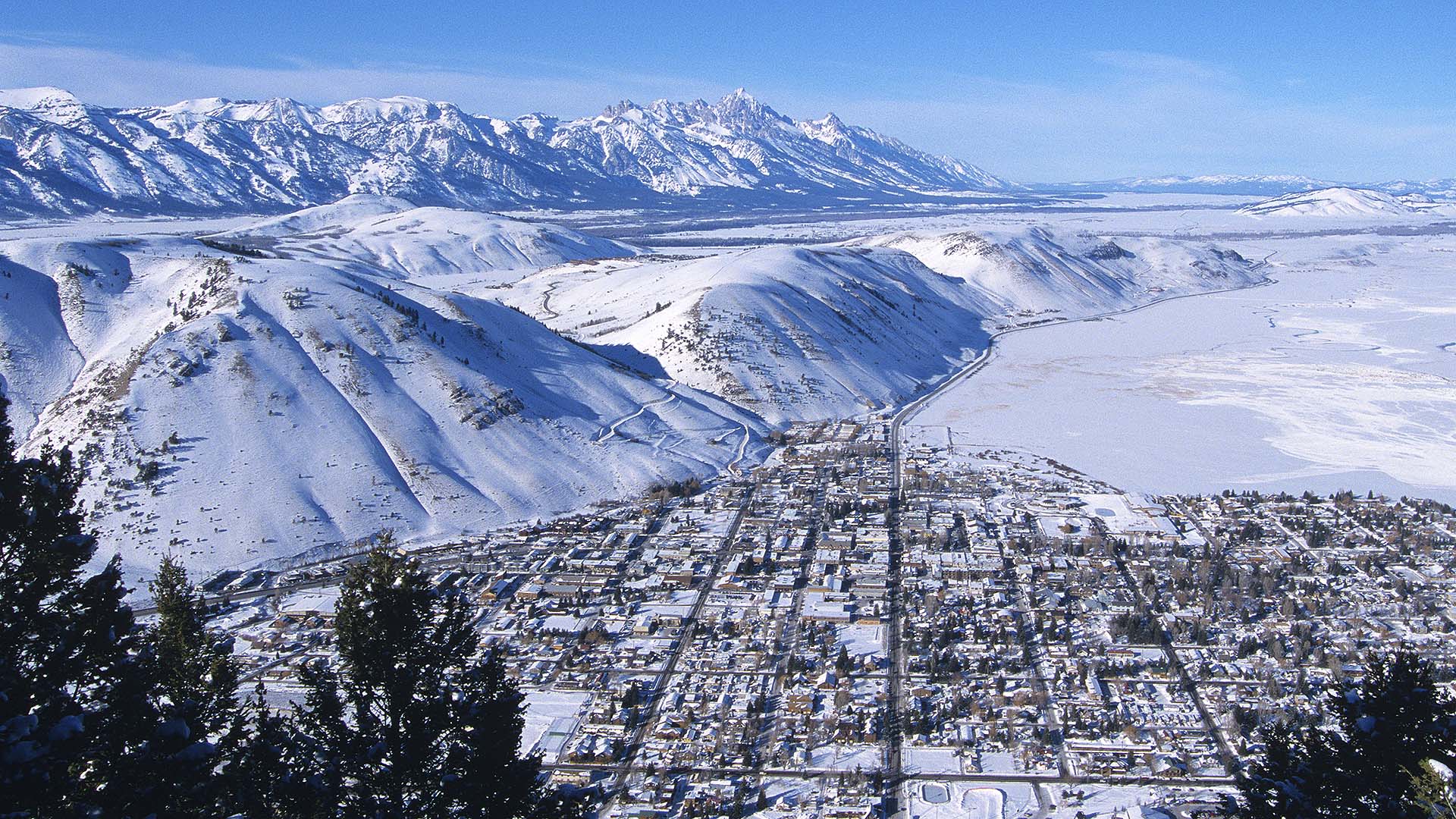
The Teton Range defines the western edge of the valley. The Snake River winds through its floor. Grand Teton National Park, national forests, the National Elk Refuge and privately conserved lands have shaped the settlement and development patterns of the region for generations.
Approximately 97 percent of the land in Teton County, Wyoming, is publicly owned. A portion of the remaining private land is further protected by conservation easements and other development restrictions.
This is not a market where an increase in demand can readily be met by creating more supply.
More importantly, the same conservation legacy that constrains development is largely responsible for making Jackson Hole such a desirable place to live.
A century of decisions to protect landscapes, wildlife habitat and open space has created something with considerable enduring appeal.
That does not mean real estate values are immune to economic cycles. Jackson Hole experiences market corrections like other communities. But its underlying geography is fundamentally different from markets where additional land and development can accommodate rising demand.
For a generation that has created wealth by making things infinitely scalable, there may be particular appeal in owning something that cannot be replicated.
Privacy Without Professional Isolation
There is sometimes an assumption that establishing a home in the American West means stepping away from professional life.
For many of the people I work with, the opposite is true.
They remain deeply engaged in their businesses and investments. They continue to travel, participate in professional networks and pursue new opportunities. What they are seeking is greater control over the environment in which they spend their time.
Jackson Hole offers an unusual combination of attributes in this respect.
A person can live on acreage surrounded by wildlife, ski before a business meeting or spend an evening fishing on the Snake River while remaining connected to the rest of the world.
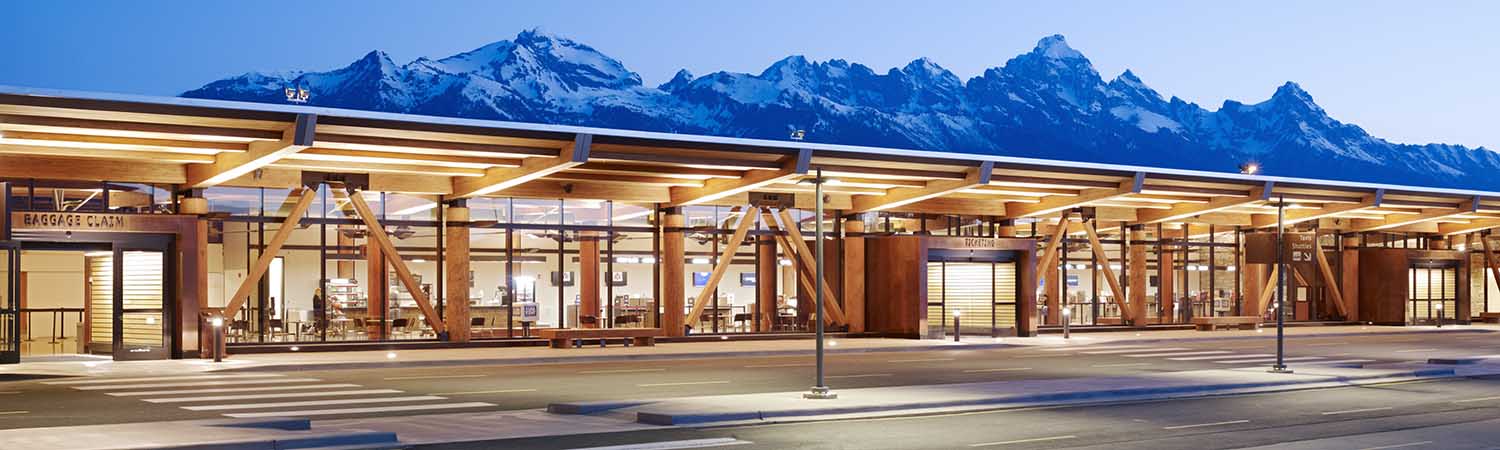
Commercial aviation, sophisticated dining, cultural institutions, healthcare and an established community of entrepreneurs and business leaders make Jackson Hole considerably more connected than its Western landscape might suggest.
For someone who needs to maintain a regular presence in Silicon Valley, a home in Jackson Hole need not represent a decision to leave California. It can provide another dimension to life.
For those approaching a greater degree of financial independence, it may eventually become something more.

A Different Definition of Return on Investment
In my conversations with successful entrepreneurs, I often find that their thinking about real estate evolves as their financial circumstances change.
Initially, the emphasis may be on investment performance, architecture, location and amenities. Over time, the conversation frequently becomes more personal.
Where will their children grow up? Where will their friends and extended family gather? What experiences do they want to make part of their lives? What will they wish they had done more of when they look back twenty years from now?
I have experienced this in my own life.
For 32 years, a group of friends and I have set aside four days every September to fish for Yellowstone cutthroat trout in the backcountry. We started before we had wives, children or gray hair. Over the years, those trips have become a way of measuring time and maintaining friendships through all the changes life brings.
No amount of money could recreate those 32 years of shared experience if we were starting today.
That is one of the less obvious benefits of establishing a meaningful connection to a place earlier in life. The longer you have that connection, the more experiences, relationships and traditions have the opportunity to accumulate around it.
For some members of this emerging generation of wealth, that may ultimately represent one of the most meaningful returns on their success.
Understanding Wyoming Before Making a Decision
Wyoming’s financial environment is another consideration for individuals evaluating where to establish a residence. The state does not impose an individual income tax, and its legal and financial framework has long attracted the attention of families thinking about wealth preservation and long-term planning.
However, purchasing a home in Wyoming and establishing Wyoming as one’s legal domicile are two different things.
For technology employees with substantial equity compensation earned in California or other states, the tax implications of relocating can be particularly nuanced. The timing of stock sales, the nature of the equity compensation and where employment was performed may all influence the outcome.
These are conversations best initiated with qualified tax, legal and financial advisors well before making significant decisions.
Real estate should be considered within the context of that broader planning, rather than as an isolated transaction.
Why the Discovery Process Should Begin Early
One thing that frequently surprises first-time buyers in Jackson Hole is how much there is to understand about the valley before selecting a property.
Different areas offer fundamentally different experiences. Teton Village provides immediate access to skiing. The West Bank offers a combination of residential neighborhoods, river environments and proximity to recreation. Properties north of town can provide remarkable relationships with the Tetons and surrounding protected landscapes. Larger ranch properties offer another level of privacy, land ownership and stewardship.
Even two homes with similar architecture and acreage can offer entirely different living experiences because of their orientation, elevation, access, surrounding land ownership and relationship to the natural environment.
Learning those distinctions takes time.
For someone anticipating a liquidity event over the coming year, there is considerable value in beginning that discovery process before being financially prepared to purchase.
The objective is not to create urgency around acquiring a property. It is to develop enough understanding of the market to recognize the right opportunity when it becomes available.
In a market defined by limited supply, that knowledge matters.
Becoming Part of a Place
It would be incomplete to discuss the arrival of new wealth in Jackson Hole without acknowledging the responsibilities that accompany it.
The valley faces genuine challenges associated with housing affordability, the cost of living and maintaining the community that makes this place so special.
Many of Jackson Hole’s most consequential contributions have come from individuals and families who chose to become active participants in the community. They have supported conservation, education, healthcare, cultural institutions and organizations that improve the lives of others.
The opportunity for the next generation of wealth is not simply to acquire a beautiful property here. It is to participate in the ongoing stewardship of an extraordinary place.
For individuals whose professional lives have been defined by building something meaningful, I believe that opportunity can be particularly rewarding.
The Next Chapter
The headlines surrounding artificial intelligence will understandably focus on valuations, technological breakthroughs and the fortunes being created.
Over the coming years, I suspect another story will emerge as we begin to see how the people behind those accomplishments choose to use their newfound financial freedom.
Some will remain firmly rooted in the cities where they built their careers. Others will establish a presence in places that offer experiences, environments and opportunities different from those that defined their professional lives.
Jackson Hole will not be the answer for everyone, nor should it be.
But for those who value the outdoors, intellectual engagement, privacy, community and the opportunity to establish a lasting connection to an extraordinary landscape, it deserves to be part of the conversation.
Artificial intelligence may be changing what is possible in our professional lives.
Perhaps one of its most interesting consequences will be how it changes what is possible in our personal lives.
The creation of wealth is an extraordinary accomplishment. The opportunity to shape a life with that wealth is another entirely.
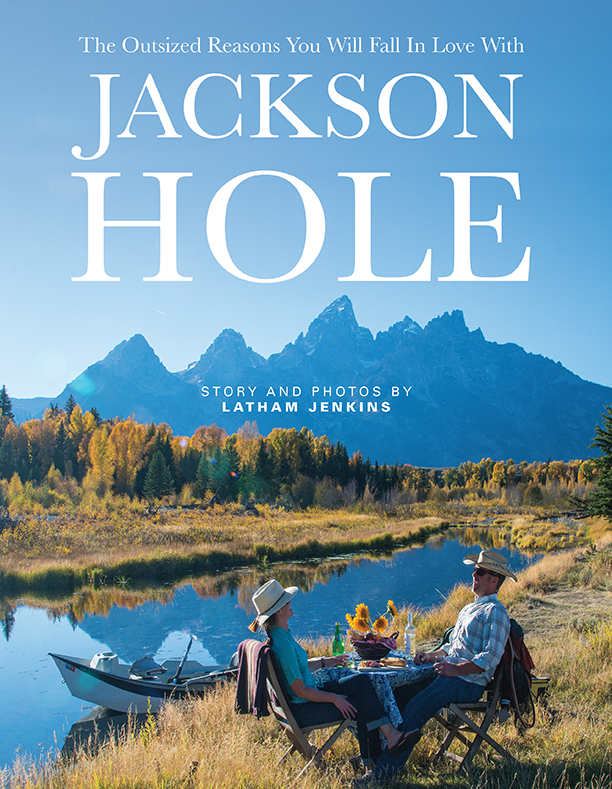
Latham Jenkins is a Jackson Hole luxury real estate broker, photographer and publisher. Having lived in Jackson Hole for more than three decades, his work focuses on the relationship between people, land and the experiences that define a meaningful life.
For those beginning to explore Jackson Hole, whether as a future primary residence, a second home or a generational property, I welcome an introductory conversation. Understanding the valley is the first step.
Find more than a home. Find a way of life.