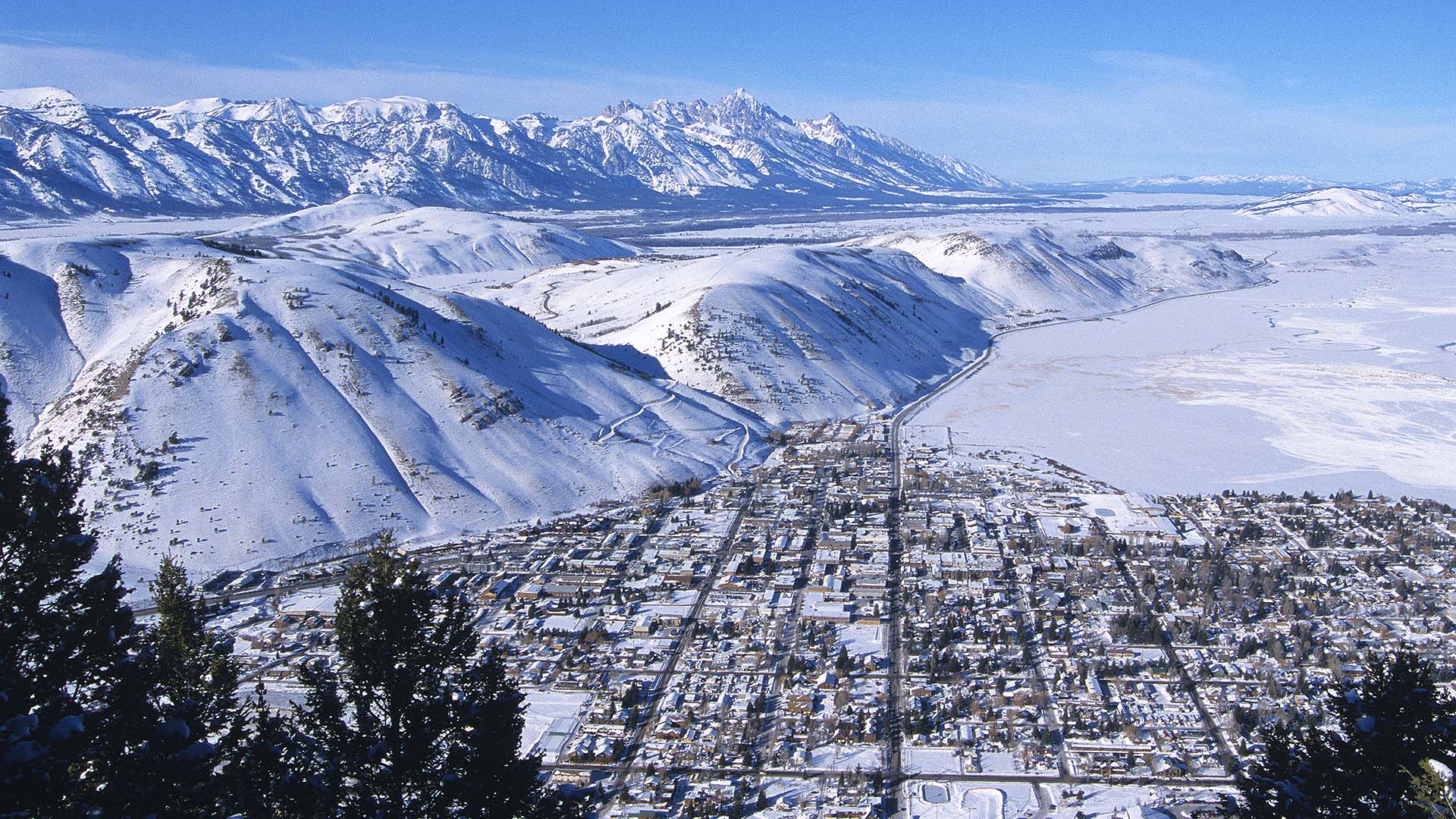
Town of Jackson, Wyoming
Considering Sun Valley? Why Jackson Hole Belongs in the Conversation
For buyers looking for a home in the Mountain West, Sun Valley and Jackson Hole often belong on the same shortlist. Both offer exceptional skiing, sophisticated communities, remarkable natural surroundings and a lifestyle that has attracted generations of families to the West.
There are, however, meaningful differences between the two. For buyers comparing Sun Valley and Jackson Hole real estate, Jackson Hole offers a particularly unusual combination: immediate access to protected wilderness, extremely limited private land, convenient commercial air service, a deeply rooted conservation culture and the financial advantages that come with living in Wyoming.
“In Jackson Hole, the landscape isn’t simply somewhere you go for recreation. It defines everyday life.”
For buyers considering not simply where to purchase a second home, but where they might eventually establish residency, locate business interests or create a long-term family base, those differences are worth understanding.
Two Exceptional Western Communities
Sun Valley’s appeal is easy to understand. It has outstanding skiing, a celebrated cultural community and an understated character that has drawn families to Idaho for generations. For many buyers, it may ultimately be exactly the right choice.
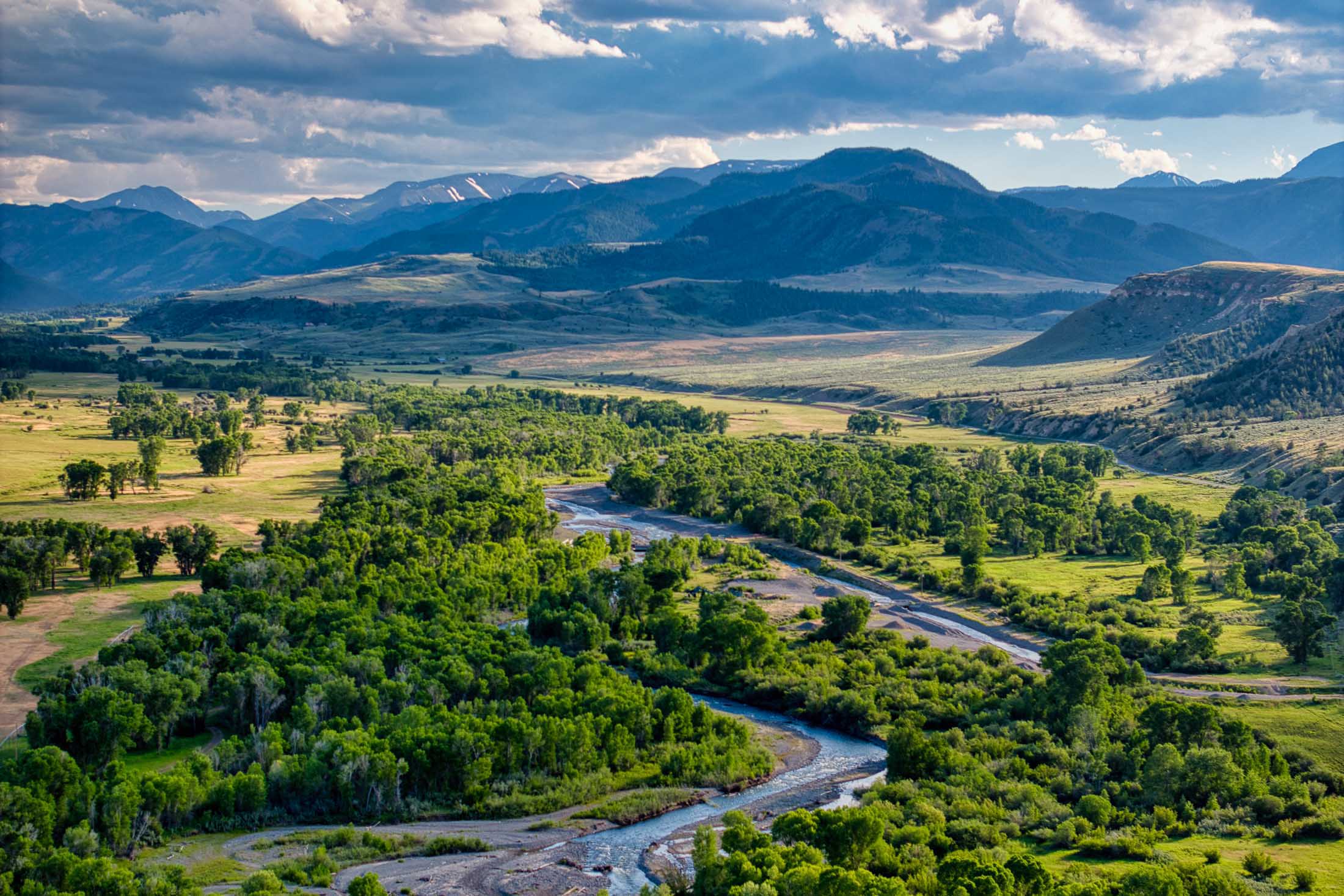
Jackson Hole offers something different. The valley sits between the Teton and Gros Ventre ranges, with Grand Teton National Park immediately to the north and millions of acres of protected public land surrounding the community.
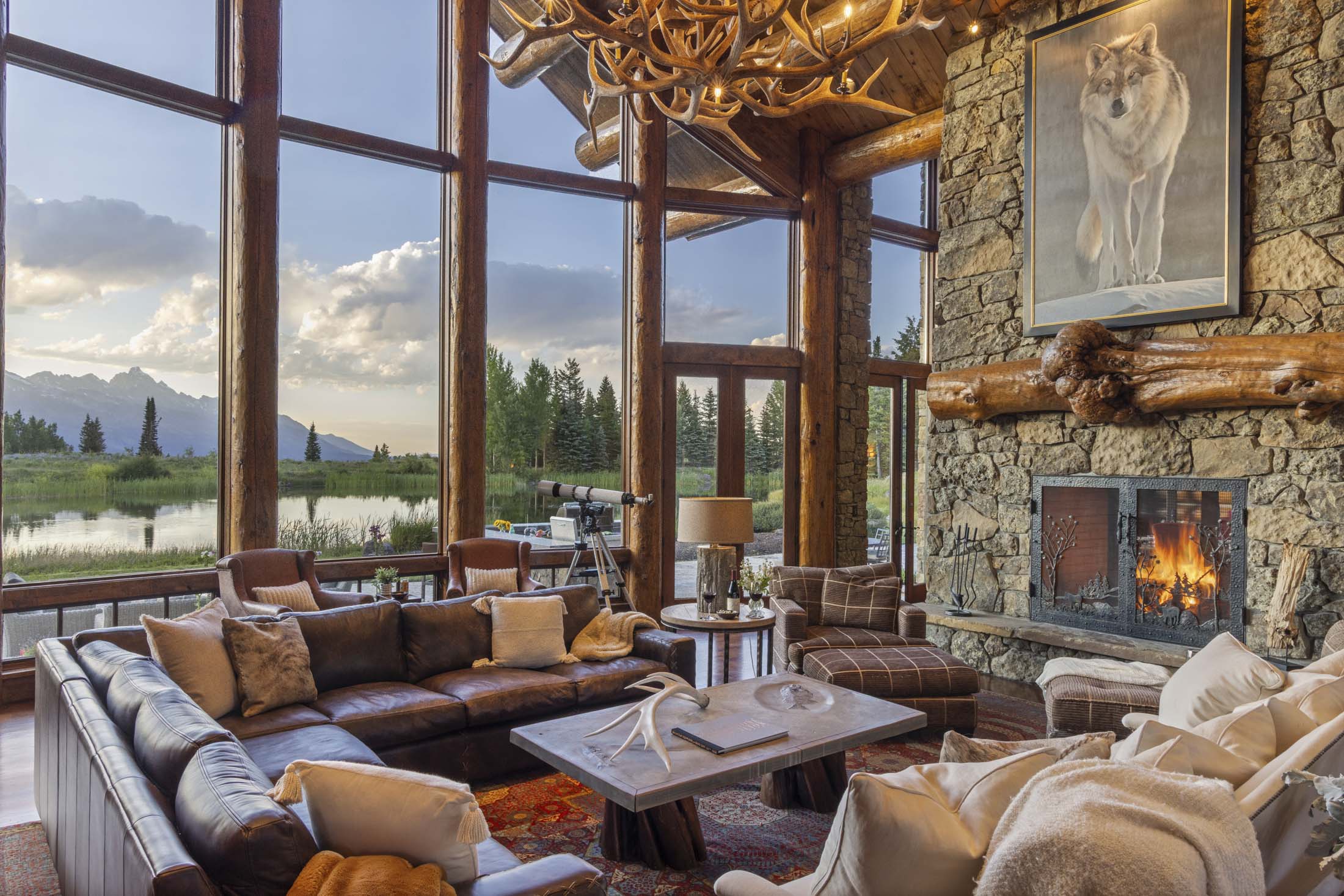
Here, the landscape isn’t simply somewhere you go for recreation. It defines everyday life. You can live minutes from Jackson’s Town Square and still wake up to elk moving across a neighboring meadow. From other properties, you can walk directly onto national forest, fish the Snake River or look across permanently protected land toward the Tetons.
For many of the buyers I work with, that proximity to wild country ultimately becomes more important than they anticipated.
The Wyoming Tax Advantage
For high-net-worth buyers comparing Jackson Hole and Sun Valley, one of the most consequential differences may have little to do with the real estate itself. It is the state in which each community is located.
Wyoming has no individual state income tax and no corporate state income tax. Idaho imposes both individual and corporate income taxes. That distinction deserves particular attention from buyers who are considering establishing residency rather than simply owning a vacation property.
Wyoming does not impose an individual income tax on wages, interest, dividends or capital gains. For entrepreneurs and business owners, Wyoming also does not impose a corporate state income tax. For a family with substantial investment income, a business owner anticipating a liquidity event, or someone considering where to establish a long-term domicile, those differences can become meaningful.
“For buyers considering a more permanent Western base, the decision becomes about much more than where to own a mountain home.”
The distinction is not simply about annual income. Wyoming has developed a sophisticated legal framework for trusts and wealth planning, including provisions for qualified spendthrift trusts and other structures that have made the state worth considering for families and their legal and financial advisors engaged in multigenerational planning and asset protection.
Of course, purchasing a home in Jackson Hole does not automatically establish Wyoming residency or eliminate taxes owed elsewhere. Domicile, the source of income, business activity and the creation and administration of trusts all involve their own legal and tax considerations.
For buyers considering a more permanent Western base, however, the decision can become about much more than where to own a mountain home. It can encompass where to establish residency, organize business and financial interests, and create a long-term home for the family. In that context, the differences between Idaho and Wyoming become considerably more meaningful.
Scarcity Is Built Into Jackson Hole
One of the defining characteristics of Jackson Hole real estate is something that cannot be manufactured: scarcity.
The overwhelming majority of land in Teton County is federally or state owned or otherwise protected, leaving a relatively small portion available for private ownership and development. The result is a supply equation that is unusual even among major Western resort communities.
That doesn’t mean every Jackson Hole property is inherently a good investment. Value remains highly specific to location, land, improvements and the price paid. But the most compelling properties here can combine several attributes that are increasingly difficult to replicate: meaningful acreage, water, protected views, adjacency to public land and proximity to town.
When those qualities occur together, buyers are looking at something genuinely scarce, not simply expensive.
The Skiing Is Only Part of the Story
Both Sun Valley and Jackson Hole are internationally recognized ski communities, but I think it is a mistake to evaluate either solely through the lens of skiing.
Jackson Hole Mountain Resort is certainly an important part of life here. Snow King rises directly above town, while Grand Targhee sits just across Teton Pass. Yet many people who initially arrive because of winter eventually tell me that summer has become their favorite season.
Fly fishing, hiking, cycling, horseback riding and rafting become part of daily life. Grand Teton and Yellowstone National Parks aren’t simply vacation destinations when you live here; they become places you can experience regularly and spontaneously.
That breadth of recreation helps explain why Jackson Hole increasingly functions as a four-season home for many families rather than simply as a ski residence.
Air Access Matters More Than You Might Expect
Accessibility deserves more consideration than it sometimes receives when buyers compare Western mountain communities.
Jackson Hole Airport is located inside Grand Teton National Park and only minutes from town. For homeowners dividing their time between Wyoming and another part of the country, that proximity can materially affect how often they actually use their home.
There is a meaningful difference between owning a beautiful mountain property and owning one that is easy enough to reach that you decide to come for four days rather than waiting until you can justify a two-week vacation. For many of the families I work with, ease of access eventually becomes one of the most important considerations in choosing a Western home.
Jackson Hole Offers More Variety Than Many Buyers Expect
People unfamiliar with the market sometimes imagine Jackson Hole as either a house in town or an enormous ranch. The reality is considerably more nuanced.
A buyer can choose a walkable home near downtown Jackson, ski access in Teton Village, privacy and proximity to amenities on the West Bank, an estate overlooking the Snake River, or significant acreage bordering protected land. Within a relatively compact valley, those locations can produce remarkably different lifestyles.
That is why I encourage buyers to begin with how they want to live rather than with a particular neighborhood. Proximity to skiing, restaurants, schools and the airport can matter. So can horses, fishing access, privacy, summer recreation or the ability for children and grandchildren to explore directly from the property.
Understanding those priorities usually does more to identify the right part of Jackson Hole than starting with a list of available homes.
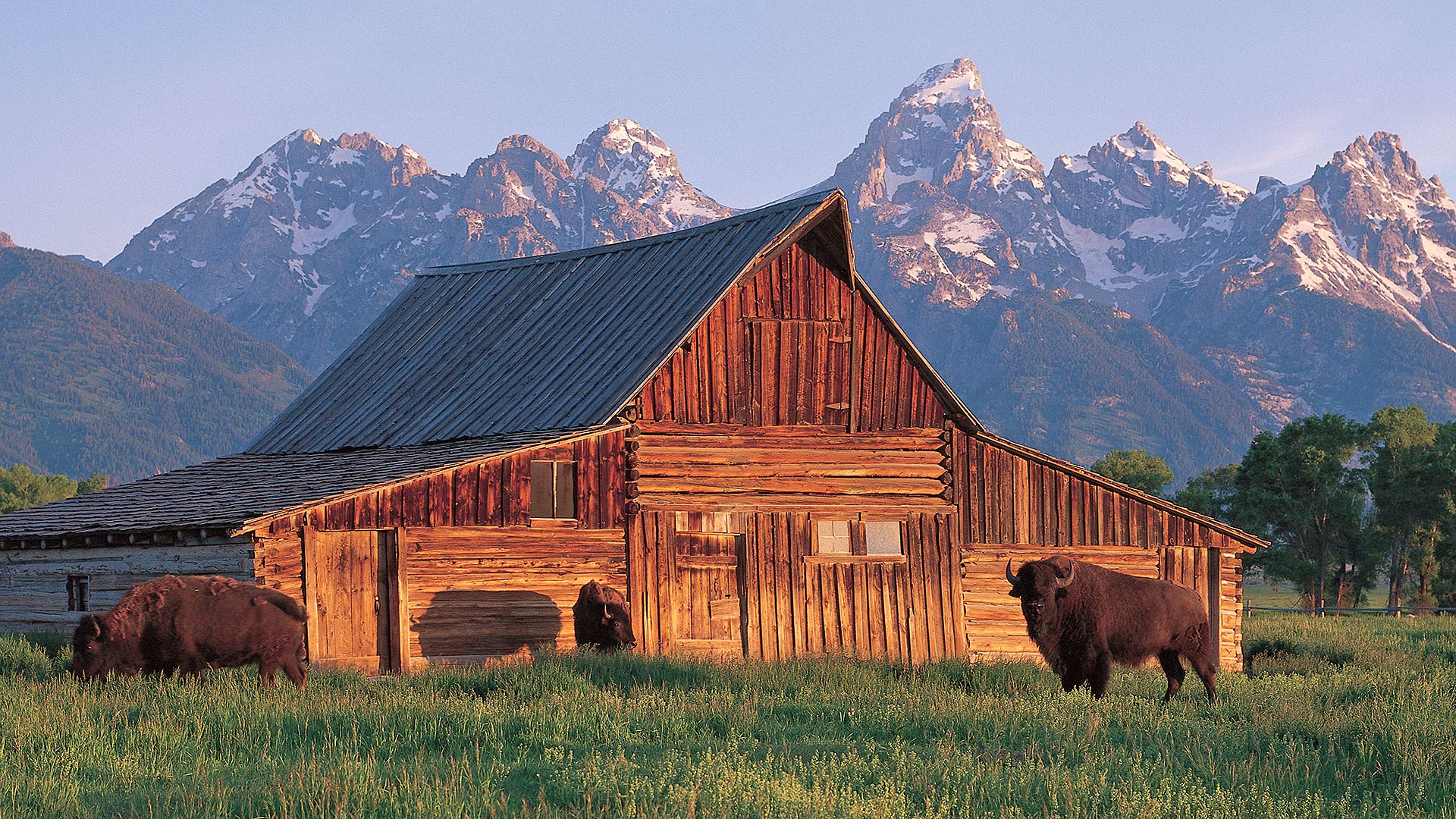
In 1923, in light of unchecked development in front of the majestic Tetons, a meeting was held at Maud Noble’s Cabin, it was decided by local ranchers and businessmen that they wanted to preserve the valley as a ‘museum on the hoof.’ This set in motion the conservation and preservation of this mountain valley, which in 1929 congress created Grand Teton National Park. Today, it’s a national treasure in our backyard, from wildlife watching to recreation, its one of most accessible National Parks for all types of residents and visitor’s alike.
Conservation Is Part of Jackson Hole’s Value
There is another aspect of Jackson Hole that is harder to quantify but important to understand. Conservation is woven deeply into the history of this valley.
Generations of landowners, conservation organizations and public agencies have made deliberate decisions to protect wildlife habitat, migration corridors, agricultural land and open space. For a homeowner, the result can be extraordinary because the experience of a property is often defined as much by what surrounds it as by what lies within its boundaries.
“In Jackson Hole, the experience of a property is often defined as much by what surrounds it as by what lies within its boundaries.”
A relatively modest parcel adjoining thousands of acres of protected land can provide an experience of space and privacy that would require vastly more acreage somewhere else. Similarly, a protected view corridor or conservation easement on neighboring land can be enormously important to the long-term character of a property.
I have spent much of my career working with ranches, legacy properties and conservation-oriented real estate, and I believe buyers should understand not simply what they own, but what surrounds them, who controls it and what is likely to remain there in the future.
Sun Valley or Jackson Hole?
I wouldn’t characterize one as universally better than the other. They are both exceptional Western communities, and the right answer depends upon the life a buyer is trying to create.
Sun Valley offers its own distinctive history, culture, skiing and sense of community. Jackson Hole offers a different combination: an unusually intimate relationship with protected wilderness, extraordinary recreational access, scarce private land, convenient air service, a strong conservation ethic and Wyoming’s favorable tax and trust environment.
For anyone considering Sun Valley, Aspen, Big Sky or another Western mountain community, I encourage spending meaningful time in each place before making a decision. Drive the neighborhoods rather than simply visiting the resort. Understand the surrounding land and what can and cannot be developed. Consider airport access and how frequently you realistically intend to use the home. If establishing residency is part of the equation, have tax and estate advisors compare the jurisdictions as carefully as you compare the properties themselves.
“The buyers who are happiest here generally fall in love not simply with a house, but with the experience of living in the valley.”
Most importantly, think beyond the perfect vacation day and consider what ordinary life will feel like. After nearly three decades in Jackson Hole, I have found that the buyers who are happiest here are generally those who fall in love not simply with a house, but with the experience of living in the valley.
Considering Jackson Hole?
If you’re comparing Sun Valley and Jackson Hole, I would be happy to help you understand the Jackson Hole market before you make a decision.
The most useful first conversation isn’t necessarily about which properties are currently for sale. It’s about how you want to live here. From there, we can identify the parts of the valley and the properties that best fit what you’re trying to accomplish.
This article is provided for general informational purposes only and is not tax or legal advice. Tax laws and individual circumstances vary. Buyers considering a change in domicile, business structure, trust jurisdiction or estate plan should consult their own tax and legal advisors.