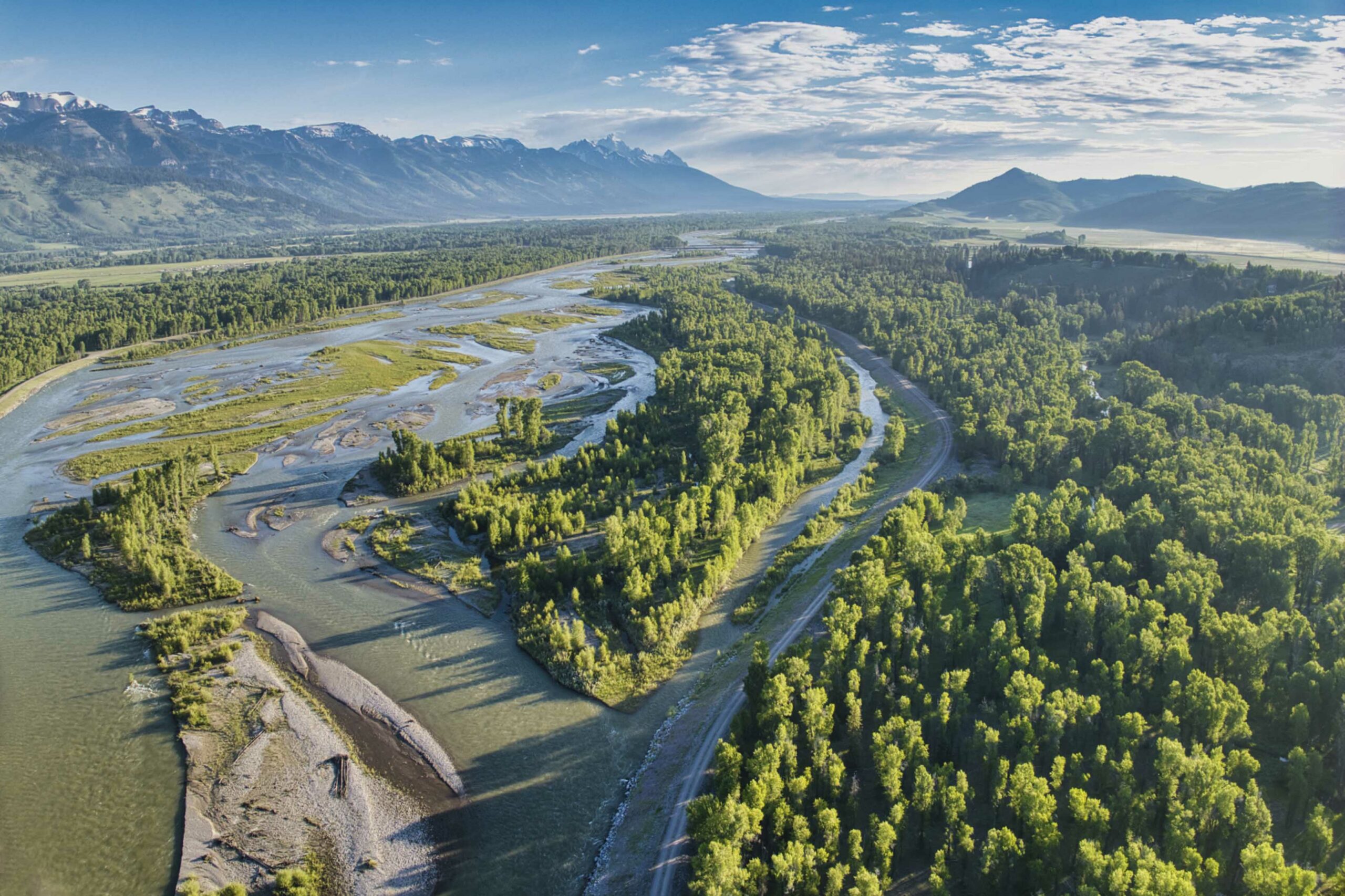
Jackson Hole, Wyoming
A recent article in The New York Times examining the “billionaire boom” in Jackson Hole captured a real phenomenon. Over the past decade, extraordinary wealth has indeed arrived in this valley, pushing the region onto the global stage and fueling national conversations about inequality, land, and influence in the American West.
But as someone who works daily in this market, representing ranches, land, and residential properties across Teton County, I often find the public narrative incomplete. The story is not simply about billionaires arriving. It is about why this place attracts them and how the structure of the market shapes what happens once they do.
“The headlines focus on the billionaires arriving in Jackson Hole. The real story is the land itself and the scarcity that has always defined this valley.”
The most important factor is something that rarely makes headlines: the scarcity of land.
Teton County sits within a landscape that is largely protected. Grand Teton National Park, Bridger-Teton National Forest, and extensive conservation easements surround the valley. Much of the land that remains privately held is either already developed or held by families who have owned it for generations. The result is a market where new supply is extremely limited and, in many cases, permanently so.
In many real estate markets, when demand rises, new development follows. In Jackson Hole, that is rarely the case. The land simply does not exist in large quantities, and the regulatory environment prioritizes preserving open space and wildlife habitat. That dynamic means that when a meaningful property comes to market, whether it is a ranch, a large acreage parcel, or a well-located estate, buyers often recognize that the opportunity may not come around again.
This scarcity shapes buyer behavior in ways that can be difficult to see from the outside. While the headlines emphasize billionaires, the buyer pool is broader and more nuanced. Many of the people purchasing property here are entrepreneurs who built companies over decades and are now thinking about how they want to live in the next chapter of their lives. Others are families looking for a place where multiple generations can gather, ski in the winter, fish in the summer, and spend time outdoors together.
For these buyers, the decision is rarely about a quick return. It is about long-term ownership. In many conversations, the question is not whether a property will appreciate next year, but whether it will still feel meaningful twenty or thirty years from now.
That perspective often surprises people who are used to seeing luxury real estate framed primarily as an investment class. In Jackson Hole, the emotional and environmental qualities of land often carry as much weight as the financial ones.
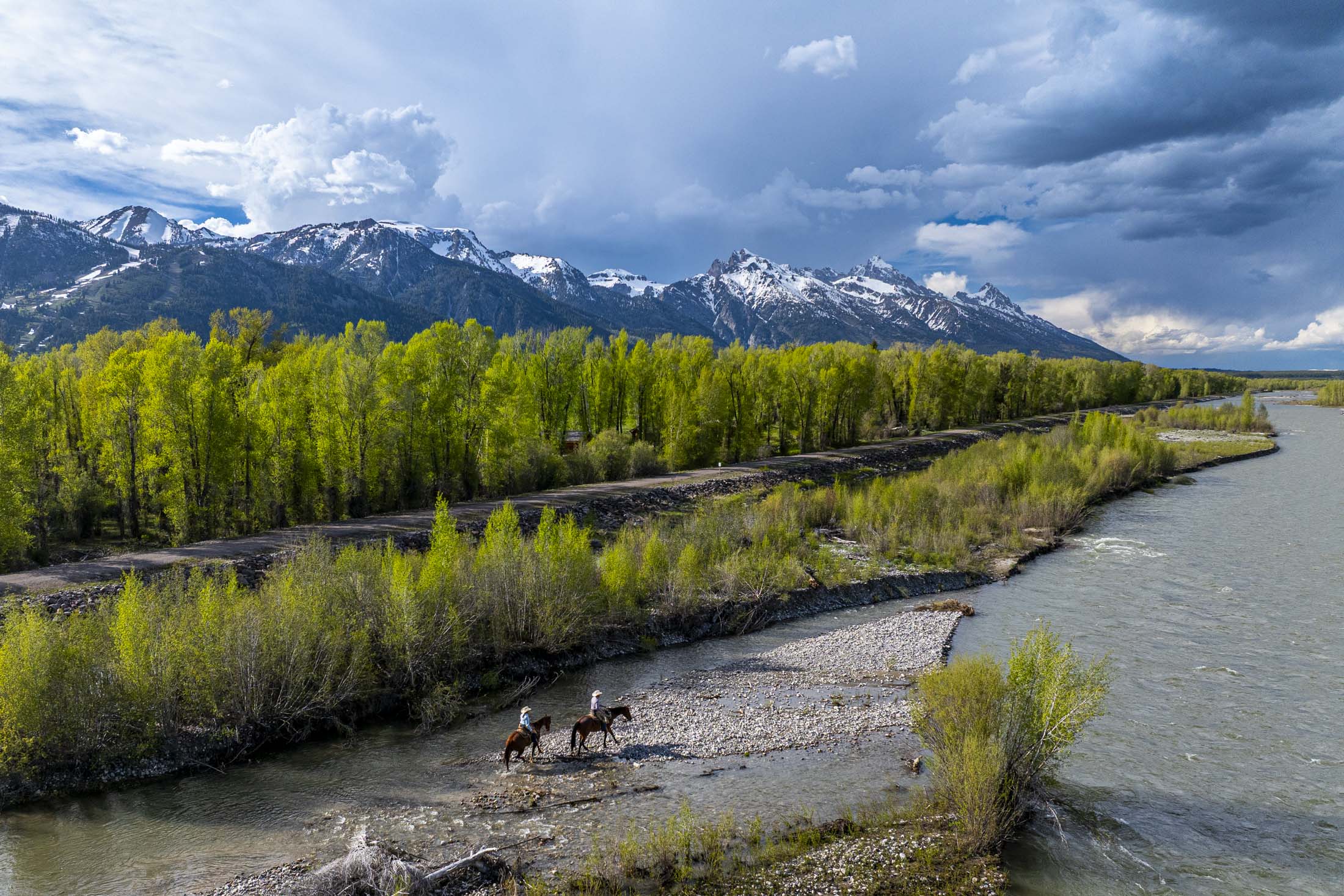
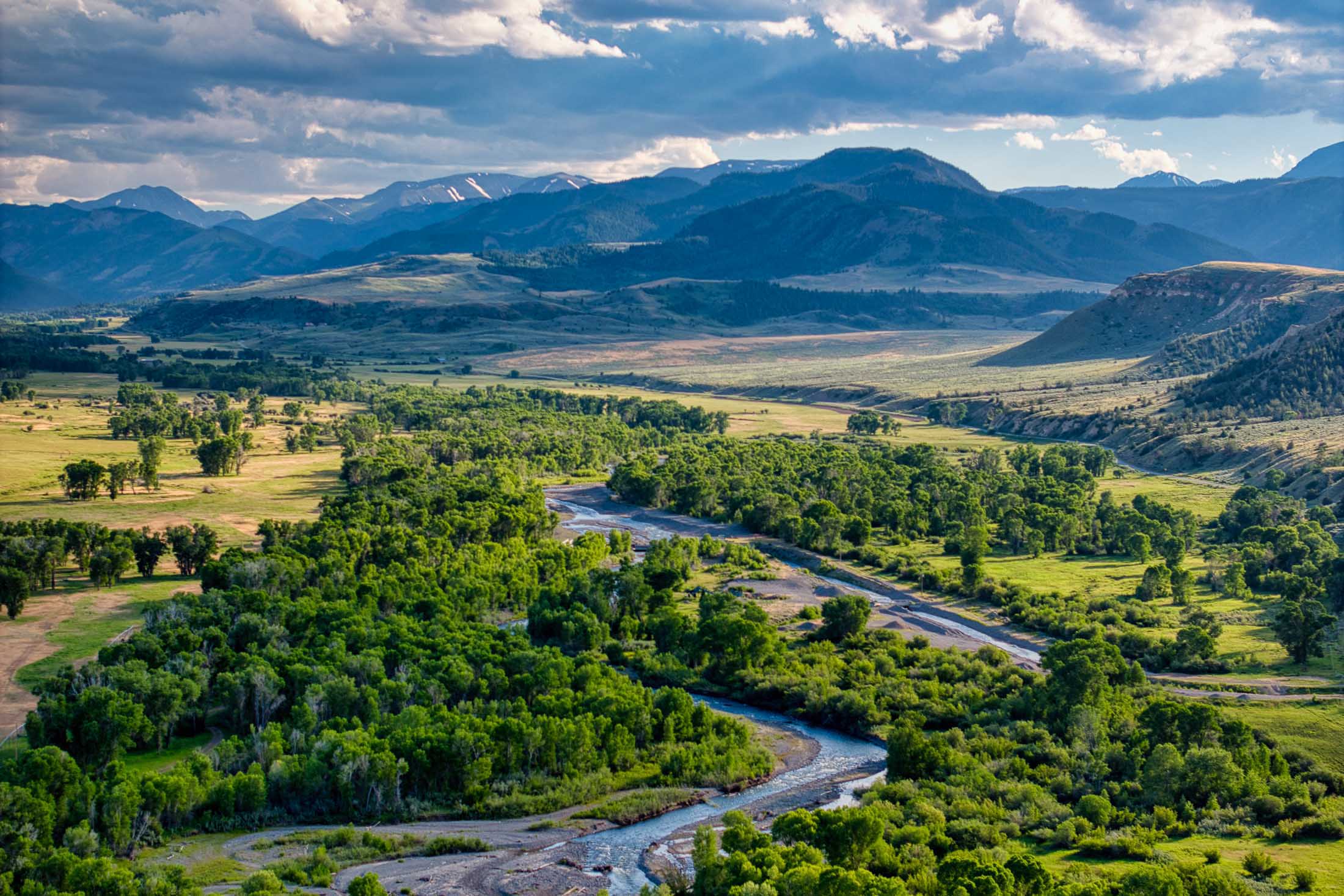
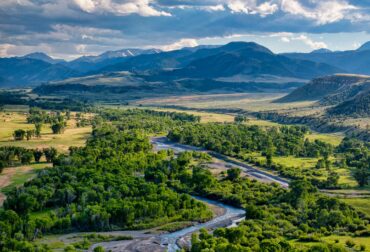
The century-old Rocking H Ranch on the Snake River is protected by conservation easements.
Water is a good example. Live water, whether a stretch of the Snake River, a spring creek, or private fishing water, remains one of the most enduring value drivers in the Mountain West. So do views, access to public lands, and the sense of privacy that comes from being surrounded by open space. These are not features that can be replicated easily, and buyers who understand the valley tend to place tremendous value on them.
Infrastructure has also become an increasingly important part of the conversation. Ten years ago, many buyers focused primarily on architecture and finishes. Today, questions about water rights, backup power, access, and long-term resiliency often come earlier in the process. People are thinking carefully about how properties function over time, not just how they look.
Another aspect of the Jackson Hole market that deserves attention is the culture of stewardship that has emerged around many of the valley’s larger landholdings. Numerous ranch owners have chosen to place conservation easements on their properties, protecting wildlife habitat and open landscapes while still maintaining private ownership. These decisions rarely make headlines, but they have shaped the valley in profound ways.
In that sense, Jackson Hole has long attracted a particular type of buyer. The people who tend to stay are not simply looking for a trophy property. They are looking for a place that aligns with how they want to spend their time and how they want their families to experience the outdoors.
“In Jackson Hole, the land has always been the main character.”
None of this is to suggest that wealth has not changed the valley. It certainly has. Rising property values and the pressures that accompany them are real and complex issues for any community. But focusing only on the wealth risks missing the deeper reason why people are drawn here in the first place.
Jackson Hole remains, at its core, a landscape defined by mountains, rivers, wildlife, and wide open space. For many buyers, that combination represents something increasingly rare in the modern world: a place where the natural environment still sets the terms of how development occurs.
The headlines may focus on the capital flowing into the valley. The longer story, however, is about the land itself.
And in Jackson Hole, the land has always been the main character.