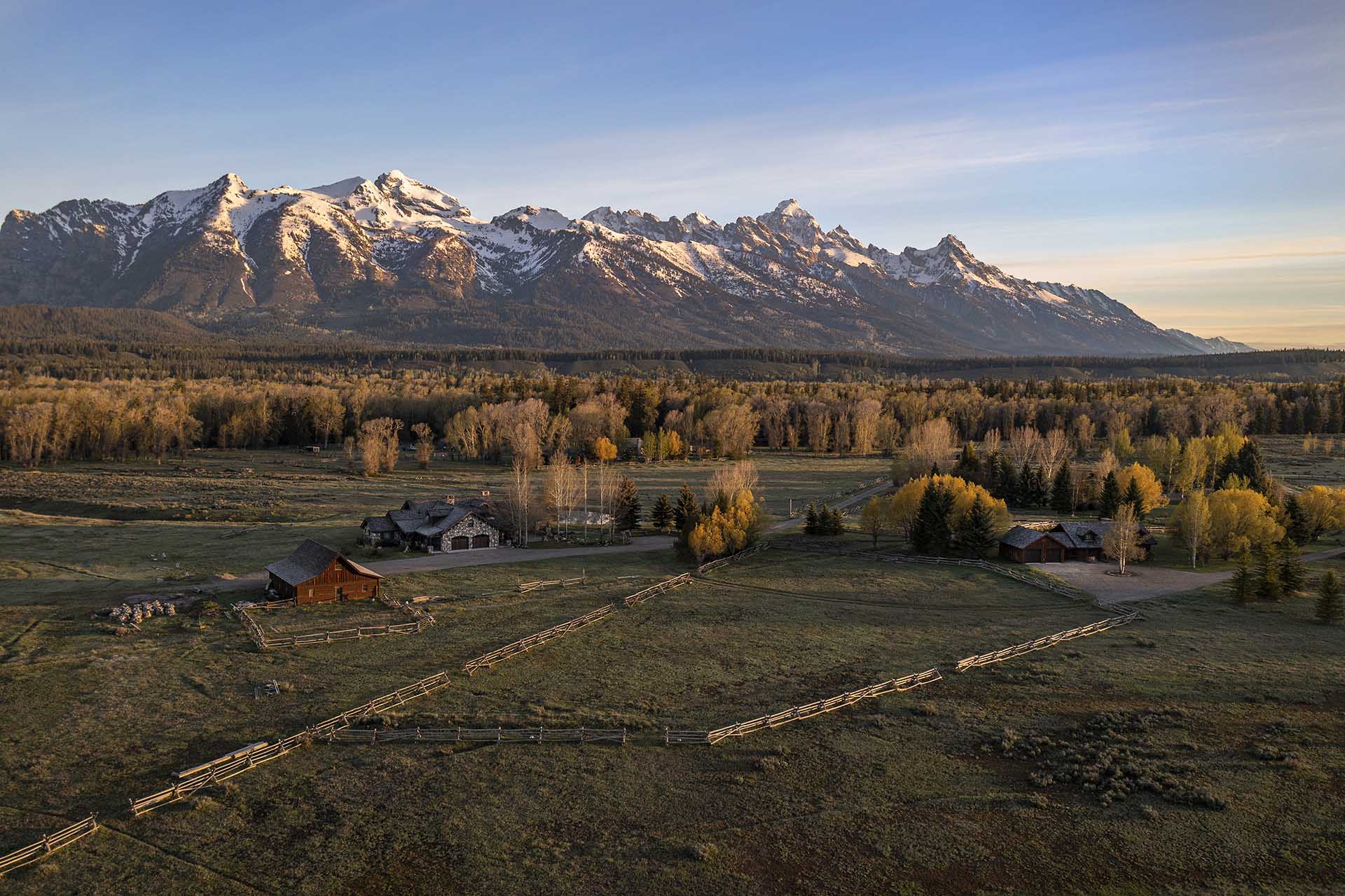
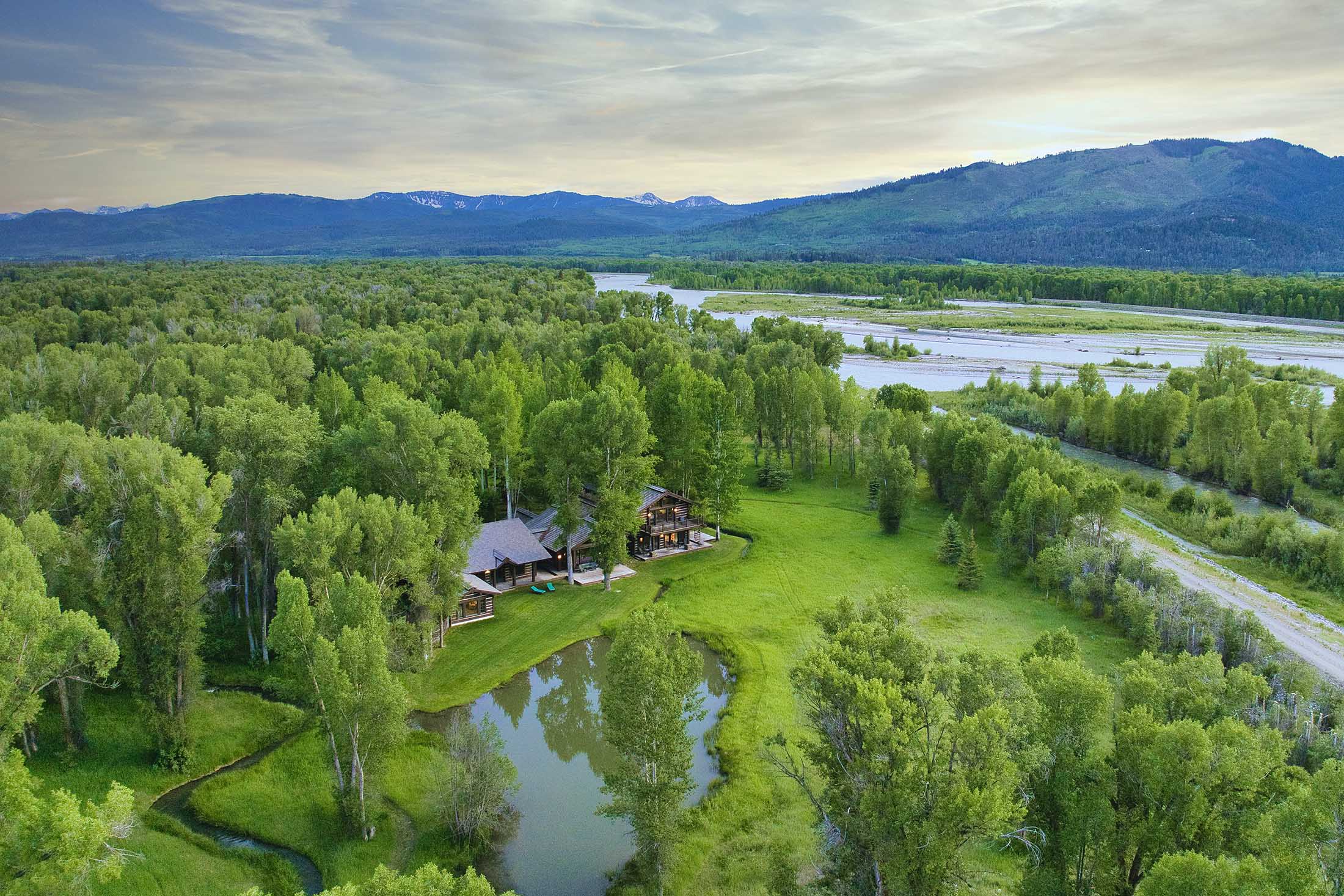
Jackson Hole Ranch, 233 acres adjoining Grand Teton National Park. Photograph by Latham Jenkins.
As artificial intelligence makes more of the world reproducible, the things technology cannot create, including land, water, privacy, community and authentic experience, may become increasingly valuable.
Recently, I found myself in a conversation with a senior engineer at one of America’s most consequential technology companies. We were talking about artificial intelligence, but not in the way most of us encounter the subject today. He wasn’t talking about ChatGPT, productivity or the latest model. He was thinking several years ahead, contemplating what happens if artificial intelligence advances faster than our economy and social institutions can comfortably absorb.
What caught my attention was where the conversation went next. He connected that uncertainty to the value of having a place in Jackson Hole.
It wasn’t the first time I had heard the connection. Many of the people I work with in real estate are founders, investors and executives in technology, including people with unusually close visibility into the development of artificial intelligence. Increasingly, their conversations about real estate extend beyond architecture, views and amenities. They are thinking about where they want their families to be ten or twenty years from now, what characteristics make a place durable through periods of change, and what forms of wealth will remain genuinely scarce in a world being reshaped by technology.
I don’t interpret these conversations as predictions of an imminent technological doomsday, nor do I think fear is a particularly useful foundation for making a real estate decision. Artificial intelligence may ultimately produce extraordinary prosperity, accelerating advances in medicine, science, energy and productivity. But transformative technologies have rarely arrived without disruption, and the speed of the current change has caused some of the people closest to it to think more deliberately about geography and what becomes more valuable if intelligence itself becomes abundant.
What becomes more valuable if intelligence itself becomes abundant?
What Technology Cannot Reproduce
Artificial intelligence is rapidly lowering the cost of producing things that once required substantial amounts of human expertise and time. Software, research, analysis, photography, video, advertising, design, financial modeling and education can increasingly be created or augmented by machines. The implications are only beginning to emerge, but it seems reasonable to assume that much of what exists in the digital world will become easier and less expensive to reproduce.
The physical world operates according to different rules. Artificial intelligence cannot manufacture another mile of Snake River frontage. It cannot create another acre adjoining Grand Teton National Park, reproduce an established wildlife corridor or add another valley beneath the Teton Range. It cannot generate a century-old cottonwood grove, a spring creek or millions of acres of permanently protected public land surrounding a limited amount of private property.
That distinction between what technology can reproduce and what nature keeps scarce may become increasingly important. In economic terms, abundance generally reduces the value of the ordinary while scarcity increases the value of the exceptional. If AI creates unprecedented abundance in the intellectual and digital economy, some of the world’s truly scarce physical assets may become relatively more desirable. Jackson Hole presents an unusual case study because its scarcity isn’t manufactured. It is largely geographic and permanent.
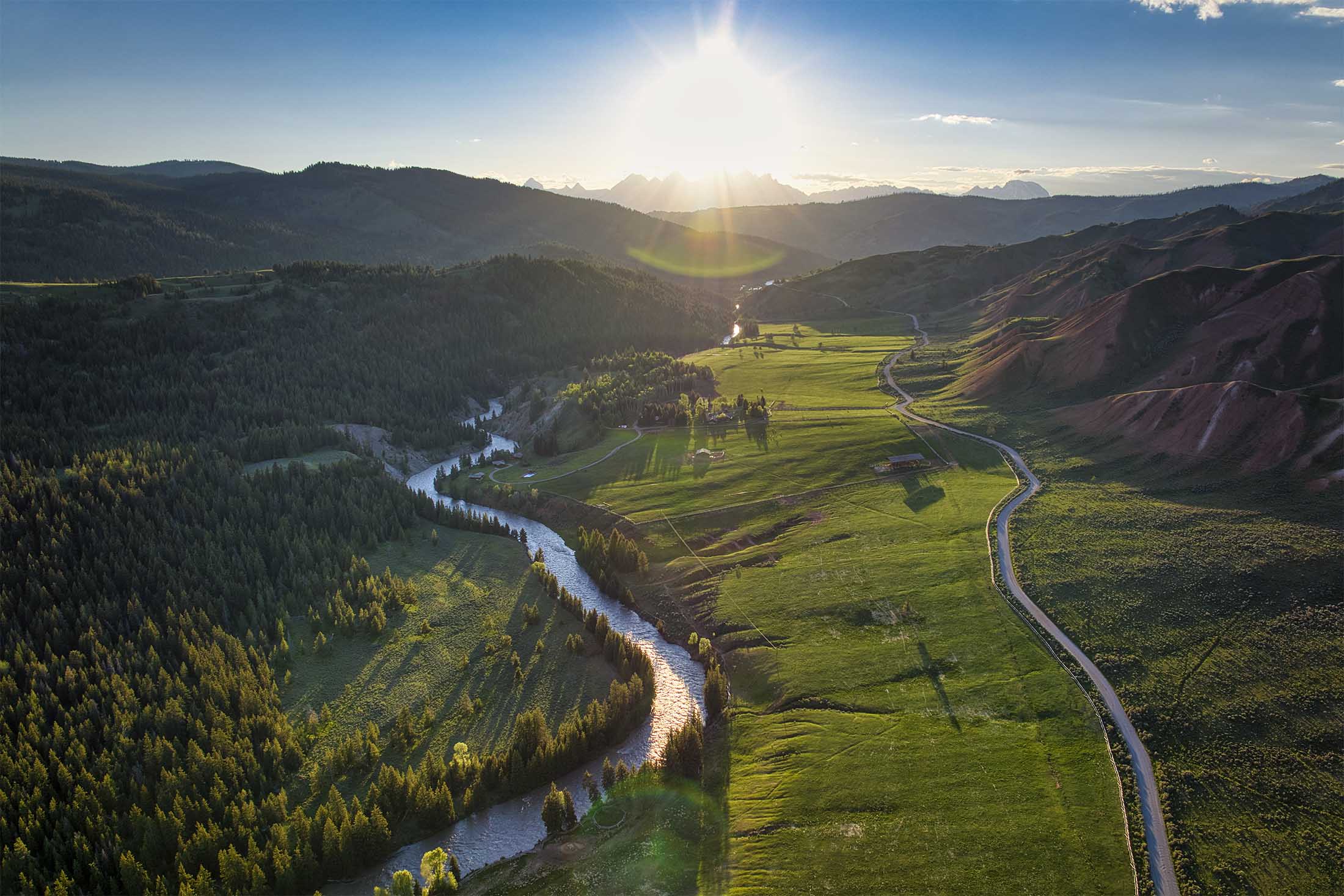
The Gros Ventre River at Red Hills Ranch in Jackson Hole. Photograph by Latham Jenkins.
A Changing Definition of Luxury
During my years working in Jackson Hole real estate, I’ve watched the definition of luxury evolve. There was a time when the house itself dominated the conversation. Square footage, bedroom counts, architectural pedigree and amenities were the principal measures by which exceptional properties were compared.
Those things still matter, but many of today’s buyers are evaluating something broader. They are considering the amount of land around them, their relationship to water and protected open space, the privacy of the setting, the ability to accommodate children and grandchildren, and whether a property offers a meaningful connection to the natural environment.
AI can create extraordinary abundance. It cannot create another Jackson Hole.
This is particularly apparent among people who have the financial ability to live almost anywhere. They don’t necessarily want isolation. In fact, complete remoteness can be a disadvantage. They often want the seemingly contradictory combination of privacy and connectivity: enough space to feel removed from the world while remaining connected to an airport, a sophisticated community, good restaurants, cultural institutions, medical care and the people with whom they do business.
Jackson Hole is unusual because it manages to offer much of both. A person can spend the morning riding horses, fishing or skiing and still board a flight that afternoon. Families can own substantial acreage or homes adjoining protected land without living hours from a functioning town. Someone accustomed to operating in New York, San Francisco or Los Angeles can participate in a small Western community while maintaining connections to the rest of the country.
That combination has always been attractive. In a world in which technology makes physical location less important to earning a living, it may become considerably more so.
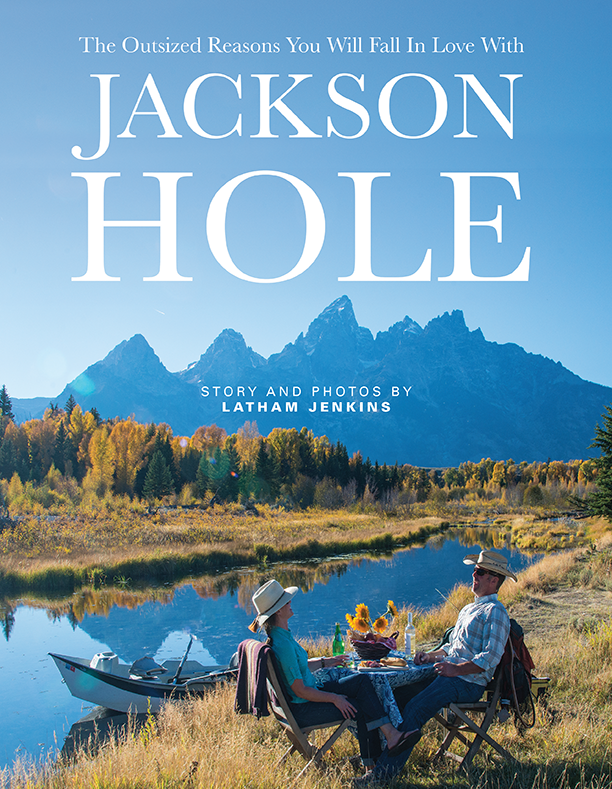
For many families, the enduring value of a Jackson Hole property is found in the experiences and traditions that accumulate there over generations. Photograph by Latham Jenkins.
Uncertainty and the Value of Optionality
People with substantial resources have always valued optionality. They diversify investments, maintain liquidity, establish relationships in different financial centers and often own homes in multiple locations. Real estate can provide another form of that optionality, although we don’t usually describe it that way.
The pandemic offered a dramatic demonstration. Properties that had been regarded primarily as vacation homes became primary residences almost overnight. Families discovered that geographic flexibility had tangible value, while communities offering space, outdoor recreation and access to nature experienced levels of demand that few people had anticipated.
Artificial intelligence presents a very different kind of uncertainty, but it raises some of the same questions about where people choose to establish their lives. If AI dramatically increases productivity, enormous amounts of wealth could be created. At the same time, rapid automation could alter professions and industries much faster than previous technological transitions. Some of the technology founders and executives I encounter are openly contemplating the social implications of that possibility, including what happens if extraordinary wealth creation and significant employment displacement occur simultaneously.
Some of the people closest to AI are thinking not merely about their portfolios, but about where they want their families to be if the next decade proves substantially more disruptive than the last.
Nobody knows whether those concerns will prove warranted, and it would be irresponsible to present them as a forecast. What is noteworthy is that the conversation is occurring at all. Some people with unusually close proximity to the technology are thinking not merely about their portfolios, but about where they want their families to be if the next decade proves substantially more disruptive than the last.
For them, owning property in a place such as Jackson Hole can represent something broader than a lifestyle decision. It provides another form of optionality.
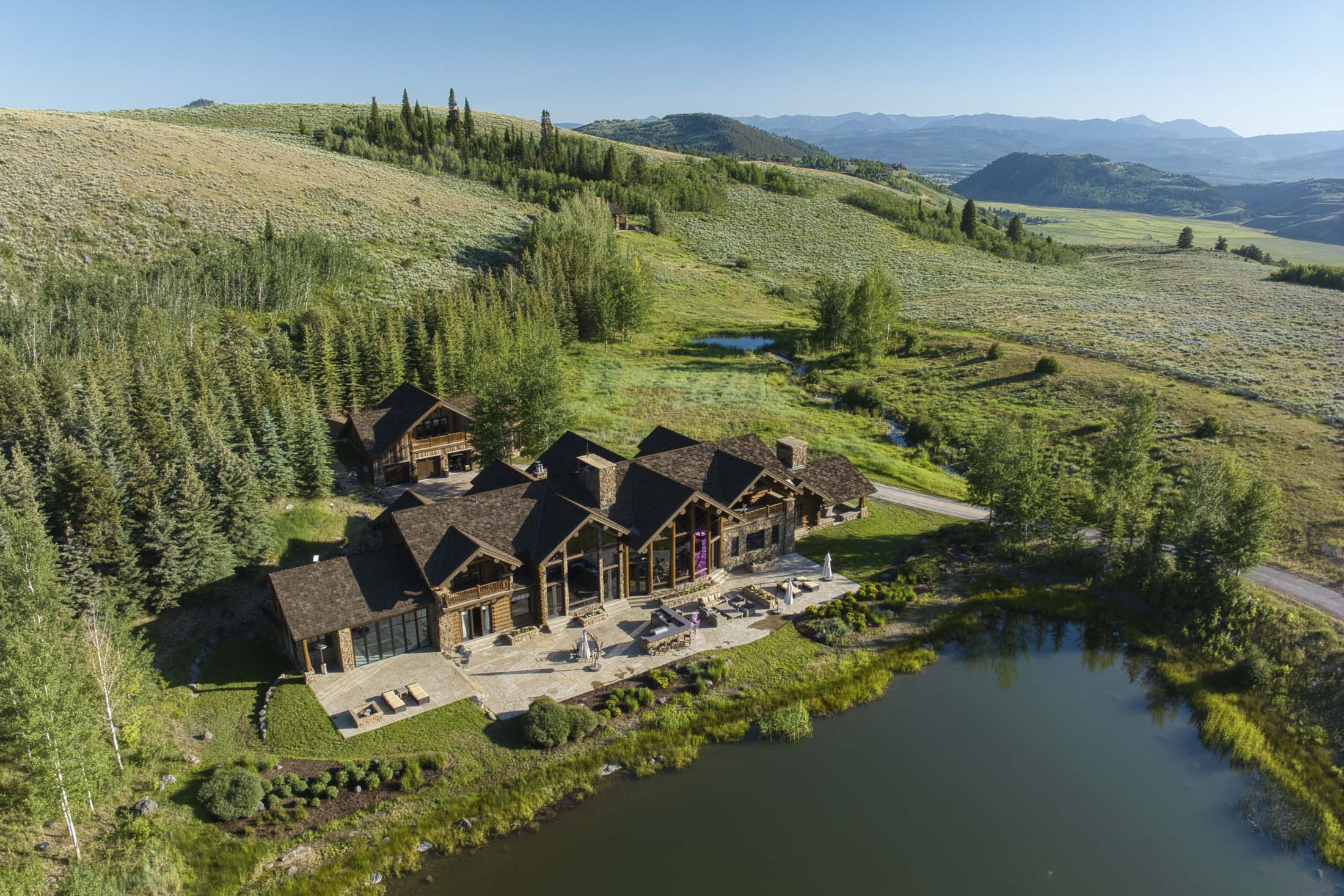
Riva Ridge Reserve, above the Jackson Hole valley, illustrates a quality increasingly sought by globally mobile buyers: privacy without isolation. Photograph by Latham Jenkins.
The Economics of Conservation
One of the most interesting aspects of Jackson Hole is that the qualities making it desirable are also responsible for its scarcity. Grand Teton National Park, Yellowstone National Park, national forests, conservation easements, wildlife habitat and other protected lands constrain development throughout the region. Waterways, wetlands and migration corridors impose additional natural boundaries.
Conservation has therefore done two things simultaneously: it has protected much of what makes the valley extraordinary while limiting the amount of private property that can ever exist within it.
Over long periods, those environmental characteristics also become economic characteristics. A conventional luxury home can theoretically be replicated somewhere else. A residence on an irreplaceable piece of land cannot.
This distinction becomes particularly apparent when working with families considering generational properties. Their focus isn’t always what a property might be worth next year or even five years from now. Increasingly, the more meaningful consideration is whether the experience the property provides could ever be recreated. For truly exceptional land, the answer is often no.
A conventional luxury home can theoretically be replicated somewhere else. A residence on an irreplaceable piece of land cannot.
The Return of the Family Place
Another pattern I have noticed among high-net-worth buyers is renewed interest in creating a place where generations of a family can gather. The objective is not necessarily the largest residence possible. Often, the preferred property is more nuanced: a primary home accompanied by a guest house or cabins, enough acreage to provide privacy, perhaps horses or fishing, and enough room that children and grandchildren can return with families of their own.
This is less about real estate as an investment than real estate as an institution within a family. Over time, a ranch, a river property or a house beneath the Tetons can become part of a family’s identity. Children grow up knowing it. Grandchildren return to it. Traditions accumulate around it.
That idea may become more meaningful as our lives become increasingly digital. Technology allows us to communicate with almost anyone, from almost anywhere, yet many families seem to be placing greater value on having a physical place that brings everyone back together. The property becomes an anchor.
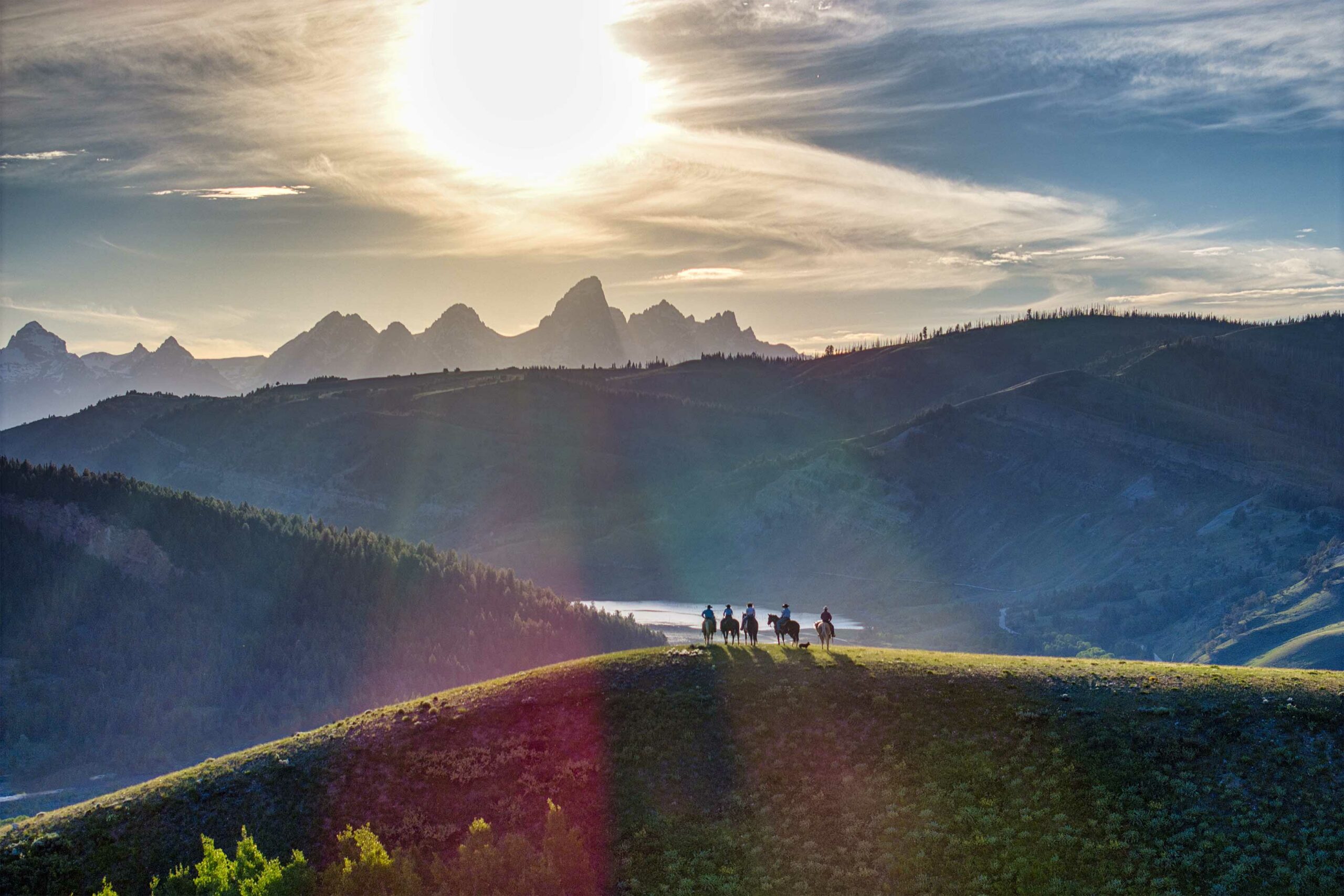
For many families, the enduring value of a Jackson Hole property is found in the experiences and traditions that accumulate there over generations. Photograph by Latham Jenkins.
Authenticity in a Synthetic World
There may be another, less obvious consequence of artificial intelligence. We are entering an era in which almost any digital experience can be manufactured. Photographs, voices, music, films and entire virtual environments can already be generated, and the distinction between something recorded and something synthesized will become increasingly difficult to recognize.
The proliferation of synthetic experiences may make authentic ones more valuable. A September morning beside the Snake River doesn’t require authentication. Neither does hearing an elk bugle across a meadow, watching a child catch a trout, riding horses through the foothills or having dinner with friends after a day of skiing. These are physical experiences, grounded in a particular place and moment, and technology cannot truly reproduce them.
For someone who has spent much of a career around photography, publishing and real estate, I find this particularly interesting. Technology has made it easier than ever to represent a place beautifully. Artificial intelligence will make those representations more extraordinary still. But representing Jackson Hole and experiencing Jackson Hole are entirely different things. The more sophisticated our virtual world becomes, the more meaningful that distinction may be.
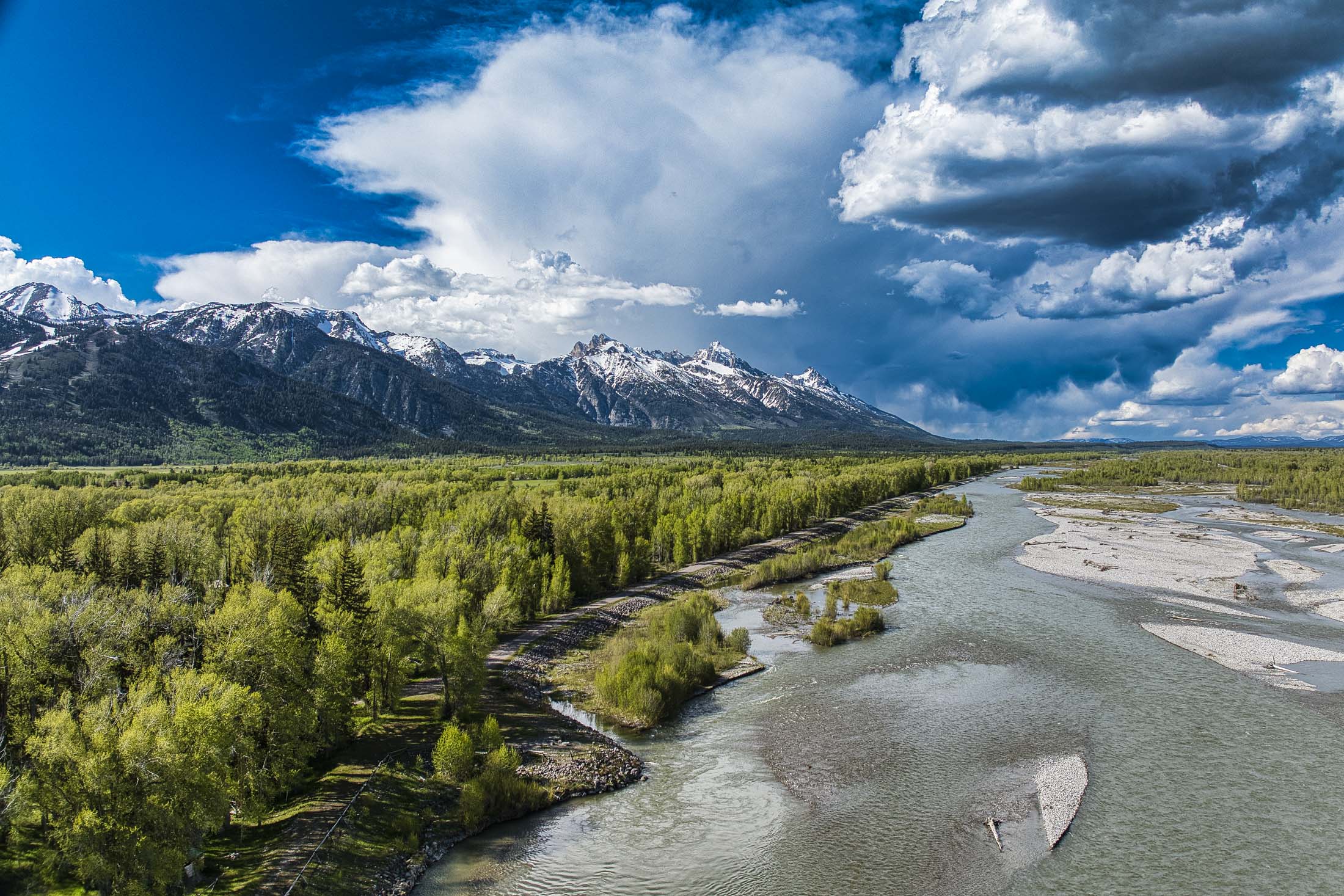
Jackson Hole, Wyoming. Photograph by Latham Jenkins.
The New Geography of Wealth
For much of modern history, people followed economic opportunity geographically. Finance drew people to New York, technology to Silicon Valley, entertainment to Los Angeles and government to Washington. Where someone created wealth and where that person lived were usually closely connected.
Technology has been steadily weakening that relationship. Artificial intelligence could accelerate the separation dramatically. If companies can be built and managed with smaller teams, if sophisticated work can be performed from almost anywhere, and if a growing share of intellectual labor is assisted by AI, physical proximity to a traditional office becomes less important for some of the people creating the greatest amounts of new wealth.
The more sophisticated our virtual world becomes, the more valuable authentic experience may become.
For the world’s most economically mobile people, the ability to live almost anywhere makes the choice of where to live increasingly important. Places offering a rare combination of natural beauty, scarcity, privacy, connectivity and community may have an advantage. Jackson Hole isn’t alone in possessing those characteristics, but there are remarkably few places in America where they exist together at this level.
That doesn’t mean artificial intelligence makes Jackson Hole real estate a guaranteed investment, nor should anyone purchase property here because of a prediction about technological disruption. Real estate decisions, particularly at this level, are deeply personal and should be made for many reasons.
There is, however, a larger idea worth considering. Artificial intelligence may eventually make tremendous portions of our economy more abundant. Knowledge may become cheaper, expertise more accessible and digital creation nearly limitless. At the same time, the supply of extraordinary physical places will remain stubbornly finite.
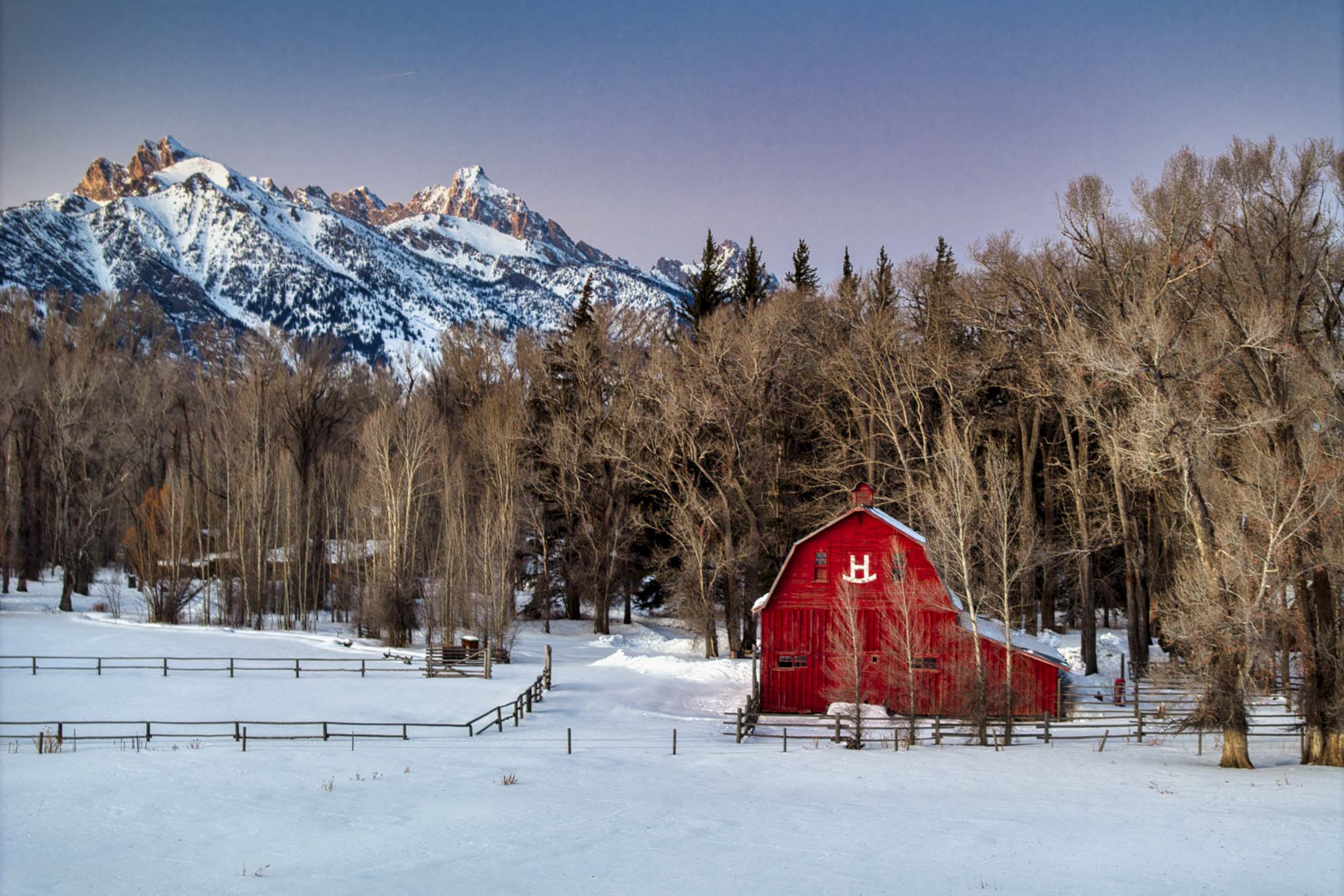
Jackson Hole, Wyoming. Photograph by Latham Jenkins.
I’ve spent more than three decades in Jackson Hole, and I’ve watched the reasons people choose this valley evolve. The mountains haven’t changed, the Snake River hasn’t changed, and the amount of protected land surrounding us remains finite. What may be changing is the value we assign to those things in a world where almost everything else can increasingly be reproduced.
Perhaps one of the unexpected consequences of artificial intelligence will be reminding us just how valuable the things that cannot be created really are.
Latham Jenkins
Jackson Hole, Wyoming
Latham Jenkins is a Jackson Hole real estate broker with Live Water Properties. For more than three decades, his work in real estate, publishing and photography has focused on the relationship between people, land and the Jackson Hole lifestyle.